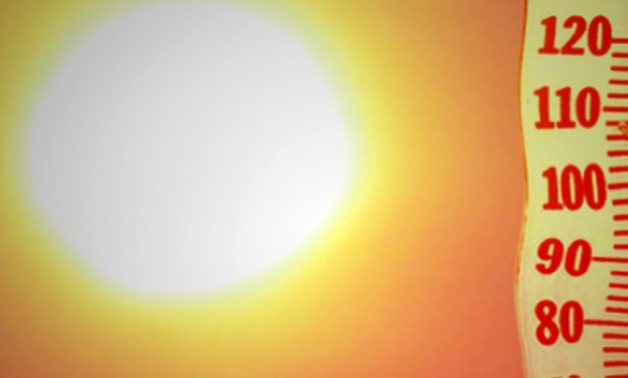
Heat wave hits Egypt - file




CAIRO - 1 July 2026: With the rise of extreme heat waves and record-breaking temperatures across Egypt, many face direct health risks from prolonged exposure to the sun and high humidity.
In these stifling conditions, many fall into the trap of confusing two completely different health conditions: heat exhaustion, the body's first warning sign, and the heatstroke, which is classified as a critical medical emergency that can lead to death if not treated immediately.
Knowing the precise difference between the two conditions and recognizing the warning signs is very important.
How to recognize if you have heatstroke?
Heatstroke occurs when the body's natural cooling system completely fails to control its internal temperature, leading to a rapid and dangerous spike in temperature.
To accurately identify this condition, experts have identified three key and crucial symptoms:
1- A dangerously high internal body temperature exceeding 39 or 40 degrees Celsius within a few minutes.
2- Dry and reddened skin (absence of sweating): Unlike heat exhaustion, which is characterized by profuse sweating, a person suffering from heatstroke completely stops sweating.
People who have heatstroke, their skin becomes dry, hot, and tends to be intensely red, which is the most prominent sign of the breakdown of the body's heat defense mechanism.
3- Neurological and mental disturbances: Brain cells are rapidly affected by the trapped heat, causing severe dizziness, nausea, and persistent vomiting.
This can quickly progress to mental confusion, slurred speech, or complete loss of consciousness and seizures.
4- Immediate rescue protocol: Experts warn that upon observing these symptoms, every passing second is crucial in saving the victim's life and protecting their brain cells and vital organs from damage.
The immediate response protocol requires the following steps to be taken without any delay:
1- The person with heatstroke must be moved immediately and quickly to a shady, cool, and enclosed place (preferably air-conditioned).
2- Loosen the victim's outer clothing and begin cooling their body using cool water compresses (not ice packs to avoid vascular shock). Focus on applying these compresses to key blood flow areas such as the neck, armpits, and groin.
3- Simultaneously with these initial cooling measures, call emergency services immediately. The person requires advanced medical care and rapid intravenous fluids to save his life.
Public awareness of these clinical distinctions and rapid first aid procedures is a crucial safeguard that protects individuals and prevents severe weather events from turning into health disasters in homes and on the streets.
How to recognize heatstroke and act fast during Egypt's heatwave
By et staff
CAIRO - 1 July 2026: With the rise of extreme heat waves and record-breaking temperatures across Egypt, many face direct health risks from prolonged exposure to the sun and high humidity.
In these stifling conditions, many fall into the trap of confusing two completely different health conditions: heat exhaustion, the body's first warning sign, and the heatstroke, which is classified as a critical medical emergency that can lead to death if not treated immediately.
Knowing the precise difference between the two conditions and recognizing the warning signs is very important.
How to recognize if you have heatstroke?
Heatstroke occurs when the body's natural cooling system completely fails to control its internal temperature, leading to a rapid and dangerous spike in temperature.
To accurately identify this condition, experts have identified three key and crucial symptoms:
1- A dangerously high internal body temperature exceeding 39 or 40 degrees Celsius within a few minutes.
2- Dry and reddened skin (absence of sweating): Unlike heat exhaustion, which is characterized by profuse sweating, a person suffering from heatstroke completely stops sweating.
People who have heatstroke, their skin becomes dry, hot, and tends to be intensely red, which is the most prominent sign of the breakdown of the body's heat defense mechanism.
3- Neurological and mental disturbances: Brain cells are rapidly affected by the trapped heat, causing severe dizziness, nausea, and persistent vomiting.
This can quickly progress to mental confusion, slurred speech, or complete loss of consciousness and seizures.
4- Immediate rescue protocol: Experts warn that upon observing these symptoms, every passing second is crucial in saving the victim's life and protecting their brain cells and vital organs from damage.
The immediate response protocol requires the following steps to be taken without any delay:
1- The person with heatstroke must be moved immediately and quickly to a shady, cool, and enclosed place (preferably air-conditioned).
2- Loosen the victim's outer clothing and begin cooling their body using cool water compresses (not ice packs to avoid vascular shock). Focus on applying these compresses to key blood flow areas such as the neck, armpits, and groin.
3- Simultaneously with these initial cooling measures, call emergency services immediately. The person requires advanced medical care and rapid intravenous fluids to save his life.
Public awareness of these clinical distinctions and rapid first aid procedures is a crucial safeguard that protects individuals and prevents severe weather events from turning into health disasters in homes and on the streets.

Be Social




Comments
Leave a Comment