CAIRO - 4 May 2026: Investing in child health has become a fundamental pillar of health security and human development, stated the Ministry of Health and Population.
This came as part of the ministry's revealing of the results of the presidential initiative for the early detection of and treatment of anemia, obesity, and stunting among school students.
The ministry explained that this initiative represents a national model for shifting from treating disease after its onset to prevention and proactive intervention.
A report from the Ministry of Health and Population confirmed that the initiative comes in implementation of the directives of President Abdel Fattah El-Sisi and within the framework of the state's objectives under Egypt's Vision 2030, which places the development of the Egyptian citizen at the forefront of national priorities.
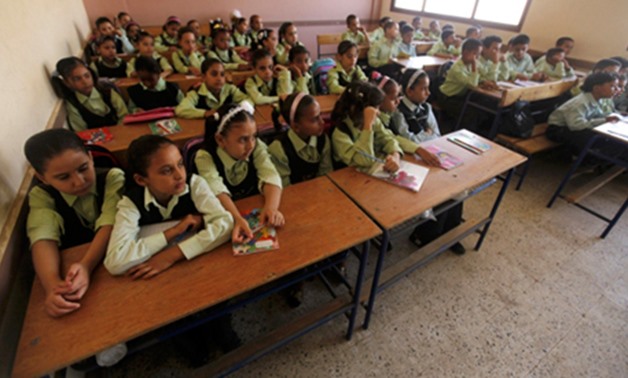
The Ministry of Health and Population indicated that since the initiative's launch until mid-December 2025, more than 60.8 million students across the country's governorates have been screened by trained medical teams who went to schools to provide services within the educational environment, without imposing any financial burden on families.
The ministry's report added that the initiative targets primary school students, measuring their weight, height, and body mass index (BMI), and conducting hemoglobin level tests to detect anemia. The ministry emphasized that all examinations are conducted according to approved scientific protocols and rigorous quality standards.
The ministry's report confirmed that the coverage rate exceeded 95% of the total number of students targeted annually, reflecting the efficiency of the implementation system and coordination between the health and education sectors.
8.6 Million students received free treatment and follow-up
The Ministry revealed the results of a comprehensive analytical study conducted on 27.9 million students between 2020 and the end of 2023, noting that the initiative was not limited to screening alone, but also included full free treatment and regular follow-up for identified cases.
It added that more than 8.6 million students were diagnosed with one of three problems (anemia, obesity, or stunting), and received the necessary treatment free of charge, in addition to nutritional support and health awareness for their families.
The Ministry confirmed that the improvement rates among those who adhered to the treatment and follow-up plans exceeded 70% in some indicators, especially in cases of mild and moderate anemia, which reflects the effectiveness of early intervention.
The Ministry of Health and Population indicated that the economic study accompanying the initiative proved that the return on investment reached 51%, confirming that every pound spent on the initiative yielded a direct health and economic return for the country.
The ministry added that direct savings in treatment costs and health complications were estimated at approximately 34.8 billion Egyptian pounds, resulting from reducing the need for costly future treatment interventions, especially for chronic diseases linked to malnutrition.
The ministry emphasized that the initiative also contributed to avoiding future productivity losses estimated at around 31 billion Egyptian pounds, by protecting children from complications that could affect their ability to learn and work later in life, bringing the total economic return to more than 65 billion Egyptian pounds.
The ministry stressed that early detection of anemia, obesity, and stunting not only protects children from current symptoms but also prevents serious future complications, such as heart disease, diabetes, and high blood pressure, in addition to negative effects on mental development and concentration.
It added that the data showed a direct correlation between improved student health indicators and higher school attendance rates, as well as improved attention span and academic performance, confirming that investing in children's health directly impacts the quality of the educational process.








Comments
Leave a Comment