
Development clusters in Sinai. File photo/Central Agency for Reconstruction




SINAI PENINSULA – 23 April 2026: When Egypt regained Sinai on April 25, 1982, the moment marked more than the end of occupation, it signaled the beginning of a long-term national project to rebuild, repopulate, and redefine the peninsula.
What followed was not a single phase of reconstruction, but a sustained, decades-long effort to transform Sinai from a contested frontier into an integrated part of the Egyptian state.
The early priority was clear: lay the foundations of life.
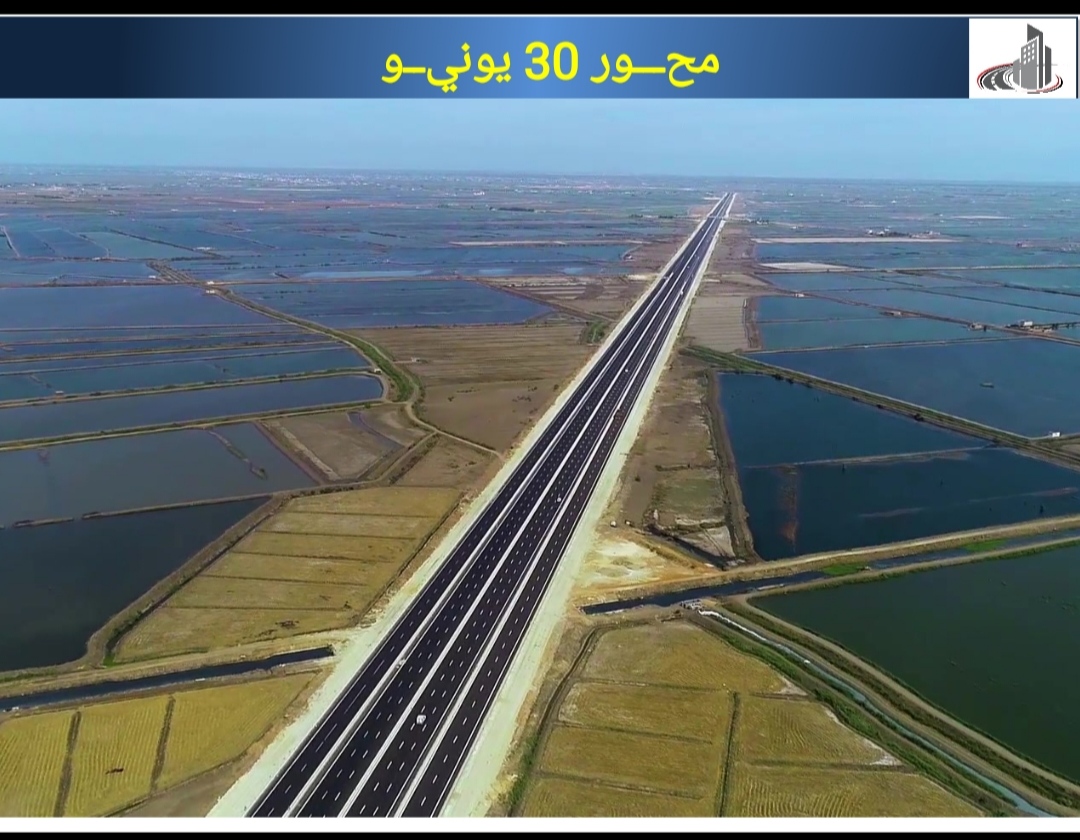
Water networks, electricity grids, roads, housing, and essential services were extended across North and South Sinai to make the region habitable and attract investment.
Over time, these foundations evolved into a broader development model.
Since 1982, drinking water and sanitation systems were expanded to cover cities, villages, and remote areas, including large-scale projects delivering Nile water all the way into Sinai through stretched pipelines.
In parallel, desalination plants were established in key coastal cities such as Sharm El-Sheikh, Dahab, Nuweiba, and Taba, supporting both residents and the growing tourism sector.
Infrastructure became the backbone of this transformation.
Since 1982, thousands of kilometers of roads have been built or upgraded, opening access to previously isolated areas and enabling the movement of people, goods, and investment.
These networks did more than connect geography, they connected Sinai to the national economy.
Housing has been another pillar of the strategy, particularly efforts to settle Bedouin communities in development clusters designed around their social and economic needs.
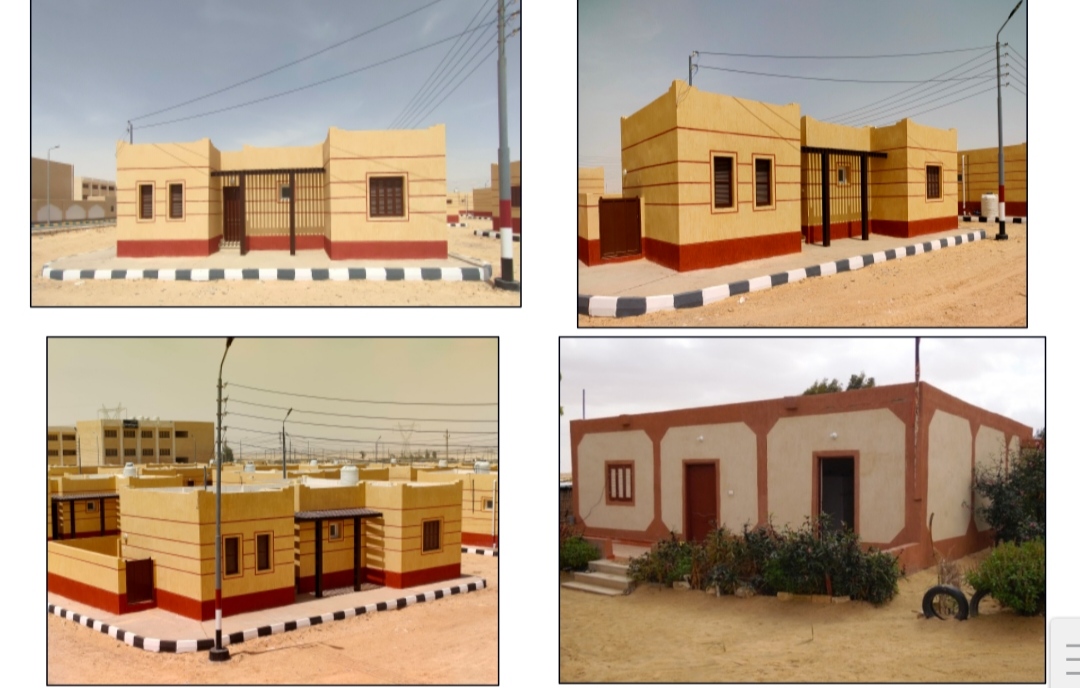
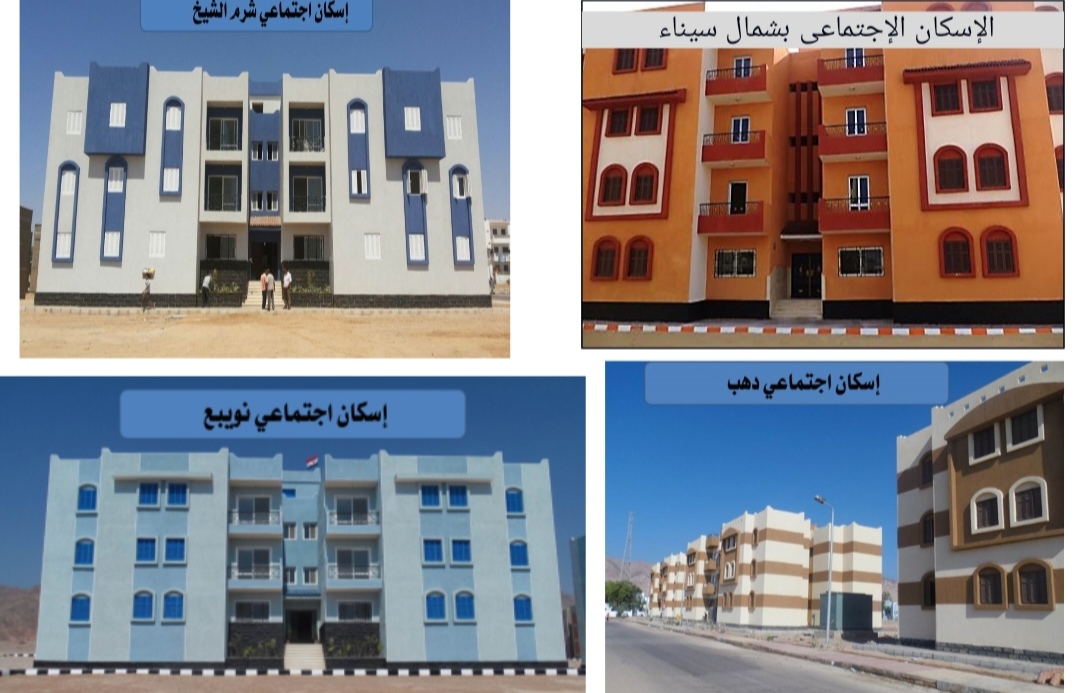
Thousands of Bedouin homes have been built over the decades, alongside social housing units and urban residential projects across Sinai’s cities.
These initiatives aimed not only to provide shelter, but to create stable communities anchored in services, employment, and opportunity.
In recent years, the pace and scale of development have accelerated significantly. Since 2014, tens of billions of pounds have been directed toward integrated projects spanning infrastructure, housing, electricity, and public services.
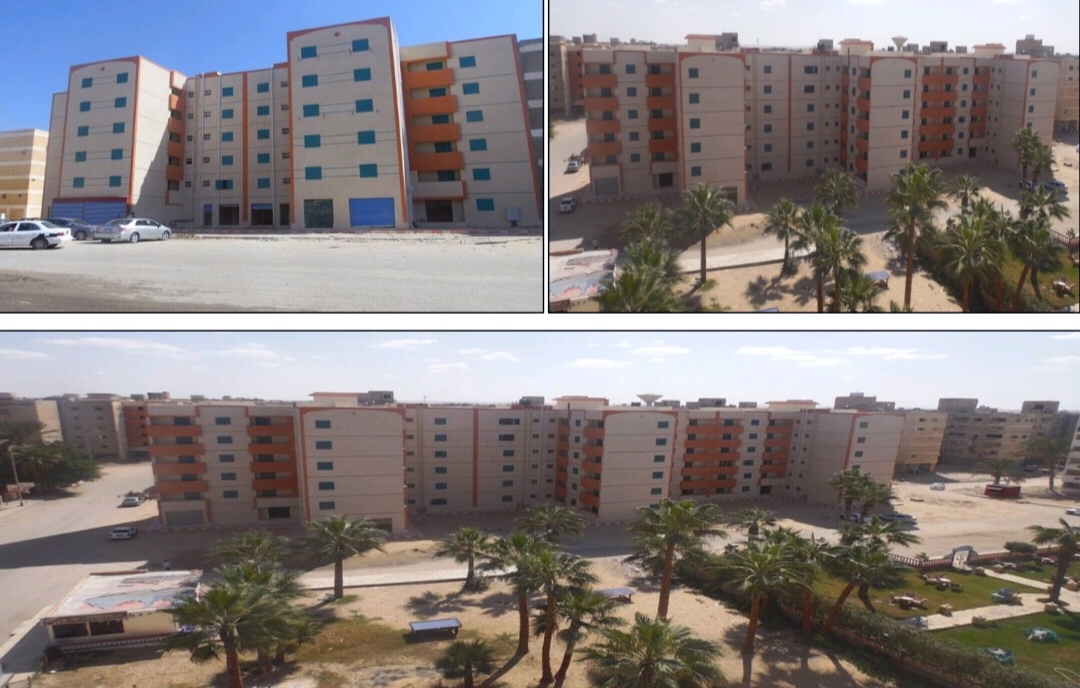
Entire development clusters have been established to support agriculture, industry, and local economies, while new urban communities continue to take shape.
Among the most ambitious projects is the transformation of Saint Catherine into a global tourism destination.
Launched under the direction of President Abdel Fattah El-Sisi, the “Great Transfiguration” project aims to position the historic city, renowned for its unique religious and geographical significance, on the international tourism map, with investments estimated at around LE 22 billion.
Despite the challenges posed by years of terrorism, which imposed heavy financial and human costs, development in Sinai has continued without interruption.
Security operations and economic expansion have moved in parallel, reinforcing each other in a model that views stability and development as inseparable.
Today, Sinai stands as more than a symbol of regained land.
It represents an ongoing national endeavor, one that began with liberation, endured through conflict, and continues through construction.
Decades on, the peninsula is no longer defined solely by its past, but by a future still being built.

Be Social




Comments
Leave a Comment