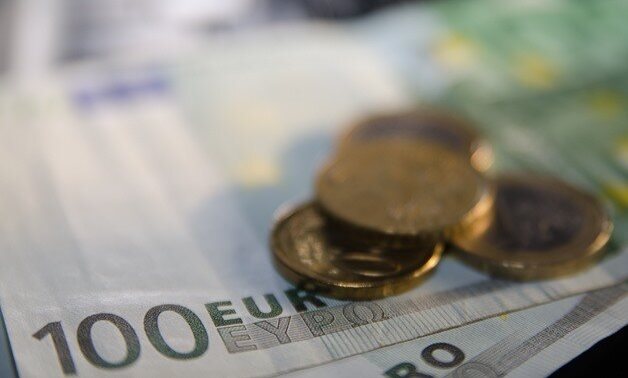
Euros




CAIRO - 16 March 2026: The European Commission is confirming €450 million in humanitarian aid for Palestine, Lebanon, Syria, Jordan and Egypt in 2026. With major donors withdrawing from the region and international humanitarian law under unprecedented strain, the EU is sustaining life-saving assistance to millions of people.
According to the plan, Syria will receive the largest portion of the funding, amounting to €210 million, to support emergency humanitarian response efforts and provide protection and essential services across the country.
The allocation comes more than a year after the fall of the government of Bashar al-Assad in December 2024. Despite political developments, humanitarian needs remain severe, with an estimated 16.5 million people still requiring assistance. Among them are more than 3.2 million returnees facing difficult conditions due to damaged infrastructure and limited economic opportunities.
The funding will help deliver food assistance, healthcare services, shelter, clean water, and education support for children whose schooling has been disrupted by years of conflict.
In Palestine, €124 million will support food assistance, health, protection, shelter and education, delivered by partners operating under extremely difficult conditions. Over 3.3 million people remain in need — 2.1 million in Gaza and 1.2 million in the occupied West Bank. In Gaza, civilians face malnutrition and a collapsed healthcare system, and systematic obstruction of humanitarian aid.
In Lebanon, the EU has allocated €100 million to provide emergency healthcare and essential assistance for families who have lost their livelihoods. The funding will also support protection services, shelter, and education programs for children who have dropped out of school due to the crisis.
Humanitarian data shows that more than three million people in Lebanon required assistance even before the latest escalation of regional tensions linked to Iran. In March 2026, Israeli airstrikes reportedly displaced more than 800,000 people inside the country.
In Egypt, €8 million will support multi-sectoral assistance to the most vulnerable, including quality education for out-of-school children, and a regional programme on disaster preparedness. Egypt is hosting over 1.5 million refugees and asylum seekers, notably from Sudan and Gaza.
Commissioner for Equality, Preparedness and Crisis Management Hadja Lahbib said: ‘In a war-torn Middle East, the European Union is stepping up while others step back. We are now the largest donor still delivering humanitarian aid in some of the world’s most severe crises, helping people living through the darkest moments of their lives. We must stand with them. International Humanitarian Law exists to protect them, and Europe will defend it. We will continue delivering life-saving aid for as long as it is needed.'
The EU has also continued operating its humanitarian air bridge to deliver medical supplies and relief materials to affected areas.
The European Commission emphasized that delivering this aid faces significant logistical hurdles and limited humanitarian access. Despite these constraints, the Commission reaffirmed that the funding is strictly based on humanitarian needs, neutrality, and independence, and will be implemented through a network of UN agencies and NGOs on the ground.

Be Social



Comments
Leave a Comment