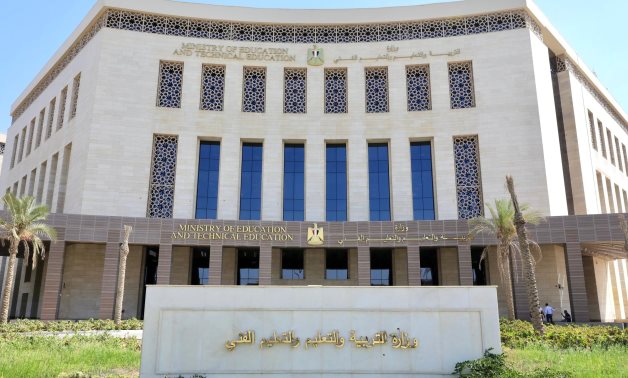
A student uses the “Study in Egypt” platform, part of Egypt’s push to attract more international students and modernize admissions.




CAIRO - 12 MARCH 2026: Egypt’s Ministry of Higher Education and Scientific Research is betting on a smoother digital experience.
That is the idea behind “Study in Egypt”, a national platform described as a strategic tool to attract students from abroad and position Egyptian universities as a stronger regional education hub. This comes in line with Egypt Vision 2030.
Instead of sending students to websites of separate universities, with all the paperwork that comes alone, the platform is designed as a one-stop gateway.
It brings together basic details that students usually search for, including available majors, admission rules, language programs, postgraduate options, and a guided application process that takes them from registration to enrollment.
It also offers ongoing technical support to handle issues early, before they turn into missed deadlines or confusion.
Ahmed Abdel Ghany, head of the Central Administration for International Students Affairs, said the platform has become the main operating hub for managing the international student system.
It covers undergraduate and postgraduate applications, Arabic language learning, diplomas, and short programs, and is available in Arabic, English, and French to make it easier for students from different backgrounds to use.
He said the ministry has been working on constant technical follow up and regular updates, including refreshing academic program lists, adding private universities and their offerings, setting seat allocations by nationality, strengthening the helpdesk system, and updating the timeline for Arabic language programs.
The ministry, he added, is trying to keep the platform aligned with what international students are actually looking for, including programs that draw high demand such as medical sciences, humanities, engineering, and arts.
Beyond the application itself, Abdel Ghany said the ministry is putting more attention into the promotional side; international events, virtual meetings with cultural offices abroad, and participation in education fairs and forums.
The goal is to show what Egyptian universities offer and open more doors for academic cooperation.
He also stressed that attracting students is not only about paperwork.
The ministry wants international students to feel included, with activities that help them connect with campus life and Egyptian society, workshops, competitions, sports and arts events, educational trips, and visits to cultural and historical sites.
The platform, he said, is also tied to a wider push to update programs so they match global labor market needs, expand modern specializations, and create more links between study and practical experience through projects and training opportunities.
Tamer Shawky, a professor at Ain Shams University’s Faculty of Education, described “Study in Egypt” as a clear example of how digital tools can support Egypt’s education strategy.
He said having an official portal that lists recognized institutions, public, private, national, technological universities, and higher institutes, helps protect students from misleading or fake entities that can harm the reputation of Egyptian higher education.
He also said the digital process reduces the need for travel and makes applying more flexible. In his view, it also helps limit the role of intermediaries who sometimes exploit students financially, because the steps are clearer and more direct.
Assem Hegazy, assistant professor of educational psychology at Cairo University, made a similar point, saying the platform is part of a broader modernization drive. He described it as a practical tool that supports Egypt’s “soft power” by presenting the country as an education destination, while also helping international students make informed choices through clear academic and administrative information.
At face value, “Study in Egypt” is a portal. But the ministry is treating it as something larger: a piece of infrastructure for “internationalizing” Egyptian higher education.
If it works as intended, it does three things at once. It makes applying easier for international students. It gives universities a clearer channel to promote their programs. And it strengthens trust by moving the process into one official system with updated information and transparent steps.
For Egypt, that combination is the real prize, not only more students, but stronger confidence in the process, and a better experience once students arrive.

Be Social




Comments
Leave a Comment