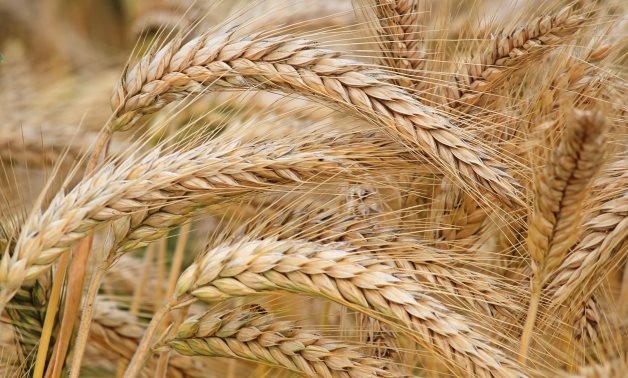
wheat




CAIRO – 14 February 2026: Agricultural experts emphasized that miscalculating irrigation timing during this specific period could lead to a phenomenon where wheat plants are blown to the ground by wind when the soil is wet, Youm7.
The experts warned that this phenomenon is not merely a surface-level issue, but a "significant loss" that could consume between 20% and 25% of the total yield per acre, due to shriveled grains, difficulties with mechanical harvesting, and a decline in crop quality.
Close Monitoring of Weather Forecasts’ technical recommendations issued to farmers emphasize the necessity of closely monitoring weather forecasts before irrigating. They stress that stable weather in the morning is not a sufficient indicator, as winds often pick up suddenly in the afternoon and evening.
These warnings come at a time when the state is placing paramount importance on the wheat crop as a cornerstone of food security. The state is emphasizing the need for farmers to adhere to the irrigation schedule issued by the relevant authorities to mitigate climatic risks, ensure a smooth transition through this critical period with minimal losses, and ultimately achieve a bountiful harvest.
Egyptian governorates were hit by a wave of unstable weather on Friday, characterized by strong winds and heavy dust that severely reduced visibility across major squares and arterial roads.
The Egyptian Meteorological Authority (EMA) had previously forecasted these volatile conditions, predicting wind speeds of 50 to 60 km/h across most regions of the country.

Be Social




Comments
Leave a Comment