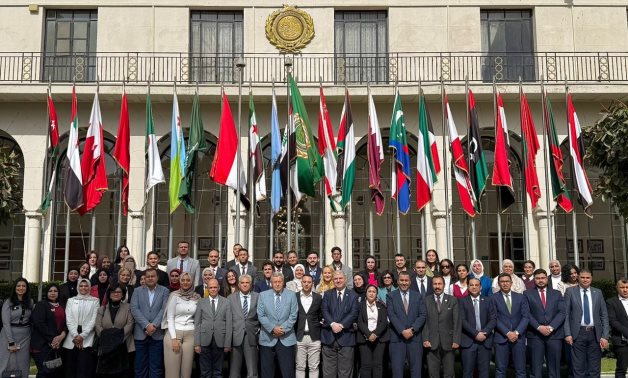
YLE at Arab League




CAIRO - 8 February 2025: Youth Love Egypt (YLE) Foundation, in collaboration with the League of Arab States’ Department of Environment and Climate Change, launched the "Post-COP30" initiative Saturday at the Arab League headquarters.
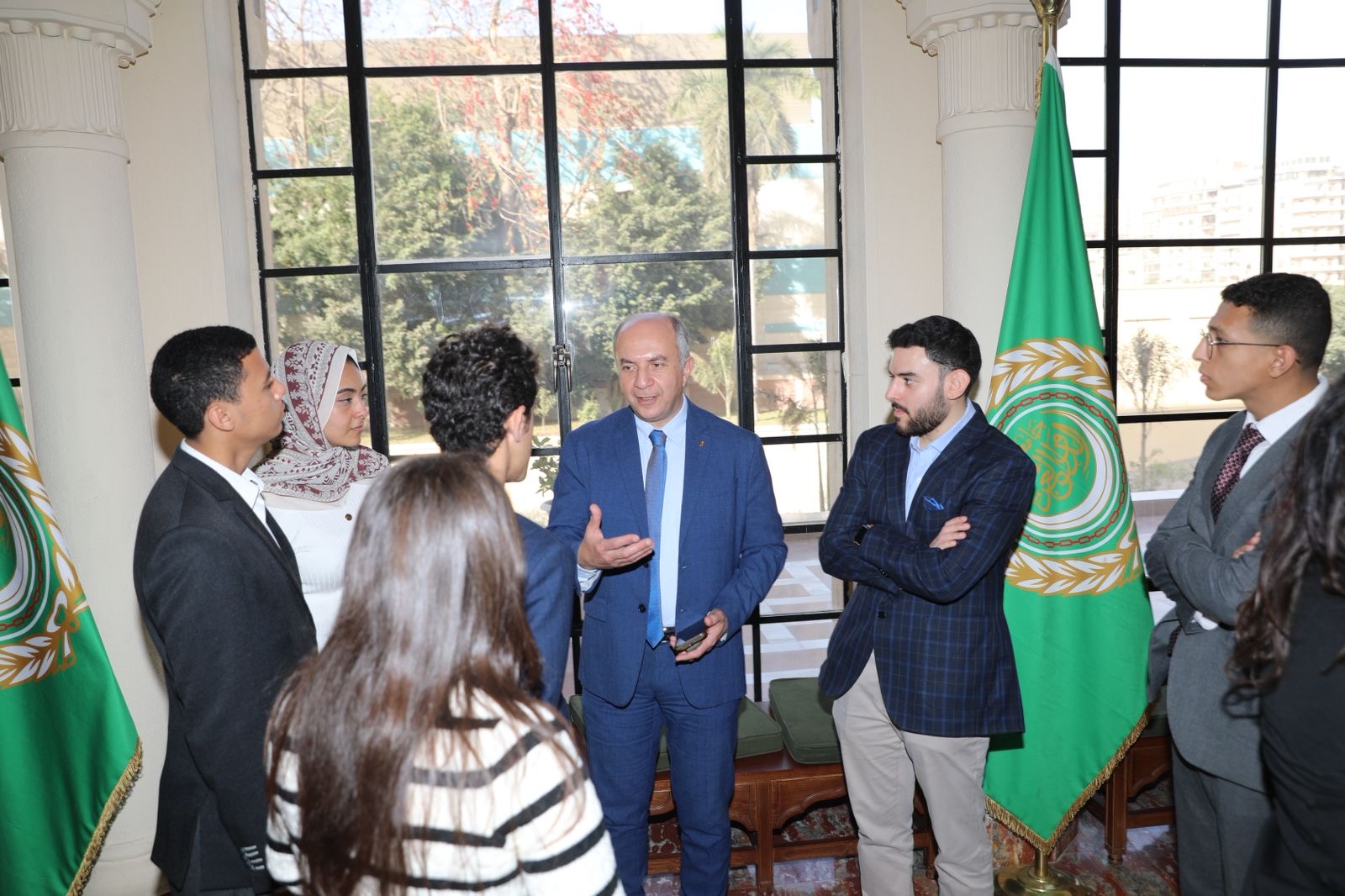
The event serves as a strategic platform to build on the outcomes of the 2025 UN Climate Change Conference (COP30) held in Belém, Brazil. Discussions focused on regional dialogue regarding emissions reduction, adaptation finance, and climate justice tailored to Arab development priorities through 2030.
In a Saturday statement, YLE President Ahmed Fathi emphasized climate justice and the doubling of adaptation funding, particularly for communities most vulnerable to environmental shifts.
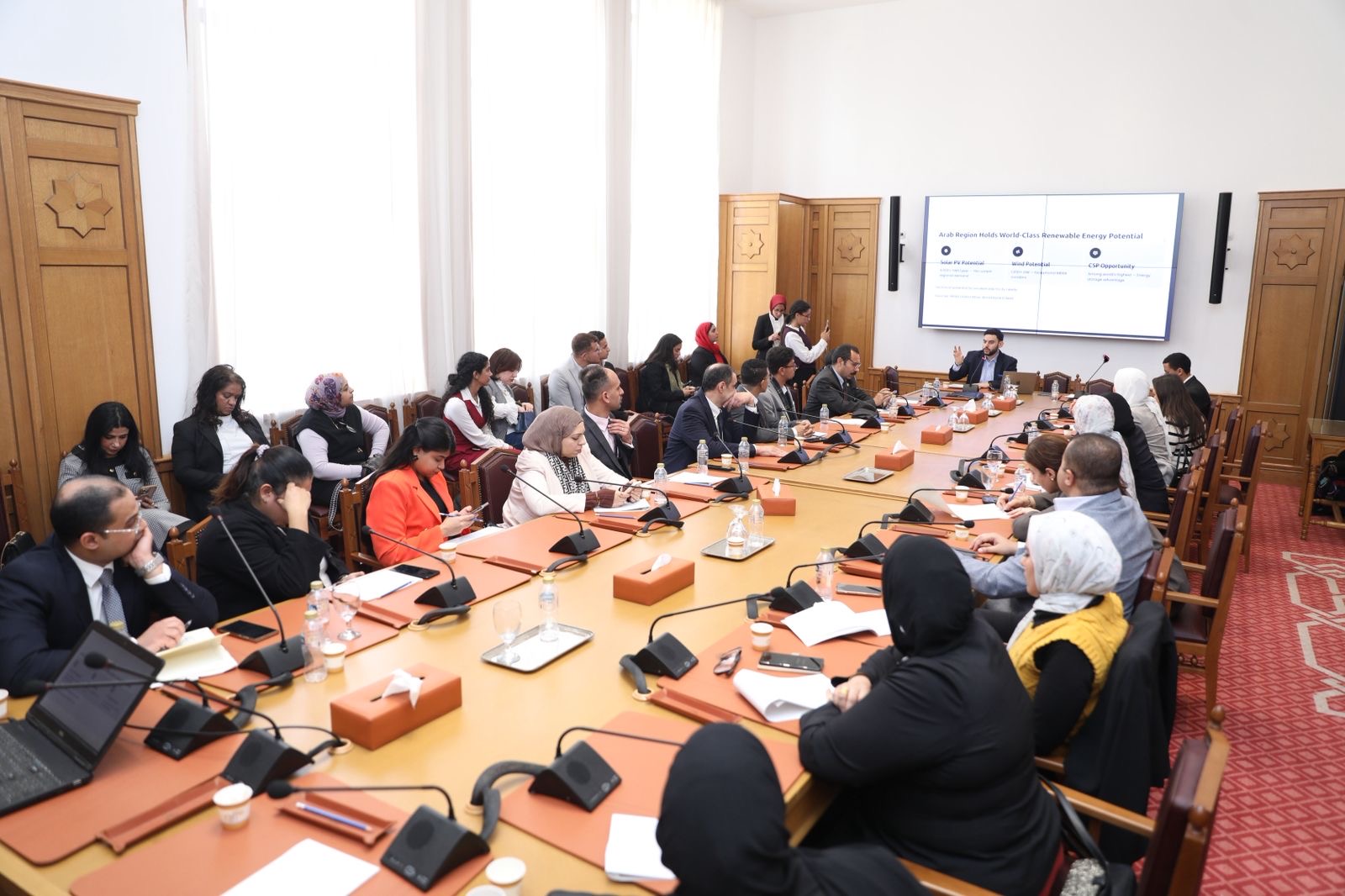
The opening session, titled "Regional Leadership and the Future of Climate Education," featured prominent figures including Dr. Mahmoud Fathallah of the Arab League, former Environment Minister Dr. Khaled Fahmy, and sustainable development expert Dr. Hussein Abaza. Panelists underscored that climate education is vital for building community resilience and empowering youth within international negotiation tracks.
Dr. Khaled Fahmy noted that while COP30 highlighted significant gaps in climate finance for developing nations, the Arab world maintains a unique opportunity to lead through expanding renewable energy investments.
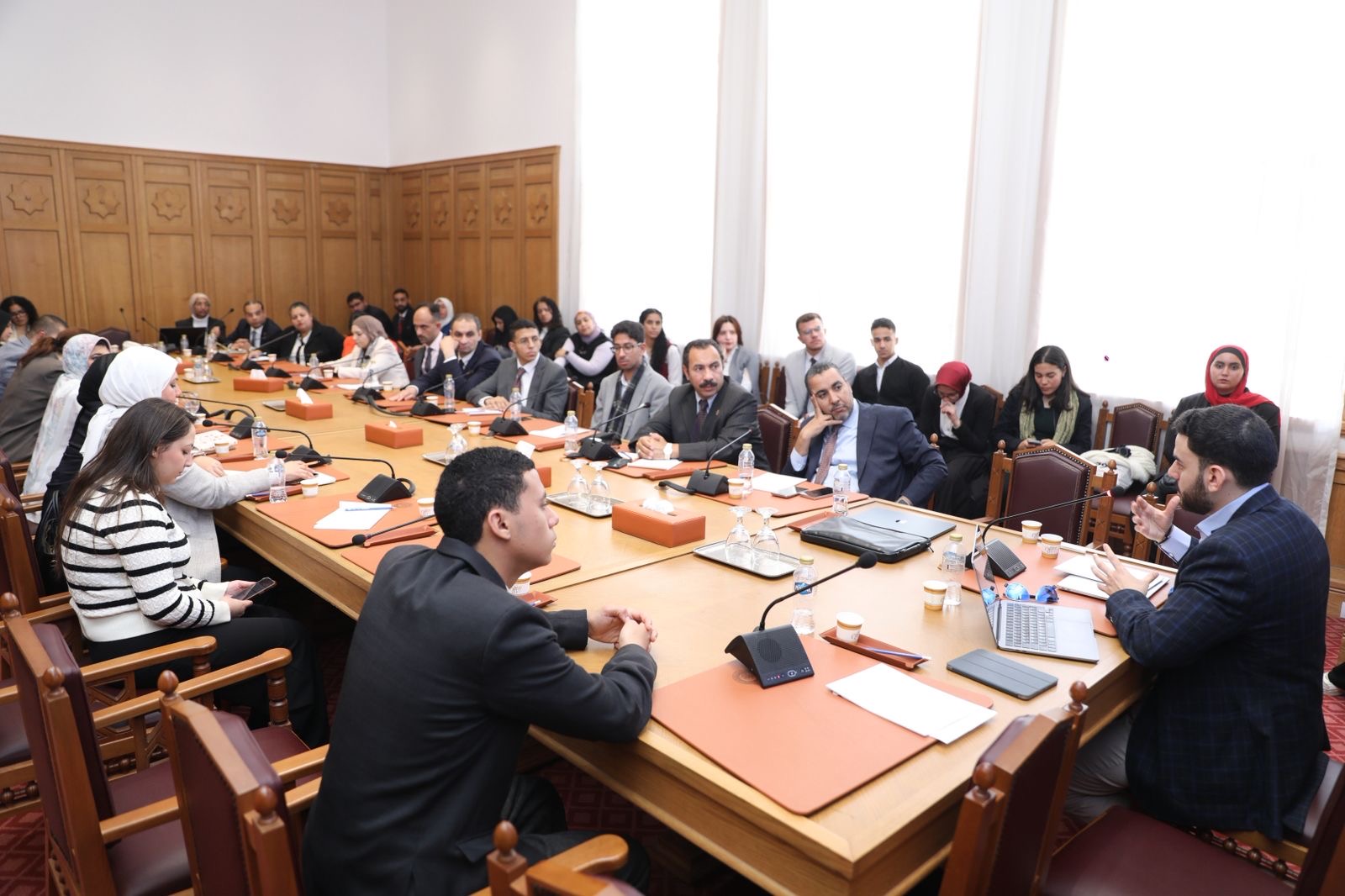
Technical sessions throughout the day covered diverse sectors:
• Industrial Transition: Ahmed Kamal discussed the industrial sector's role in environmental compliance.
• Water Security: Sessions highlighted "Blue Entrepreneurship" and nature-based solutions to combat regional water scarcity.
• Health: Experts examined the increasing pressure climate change places on public health systems.
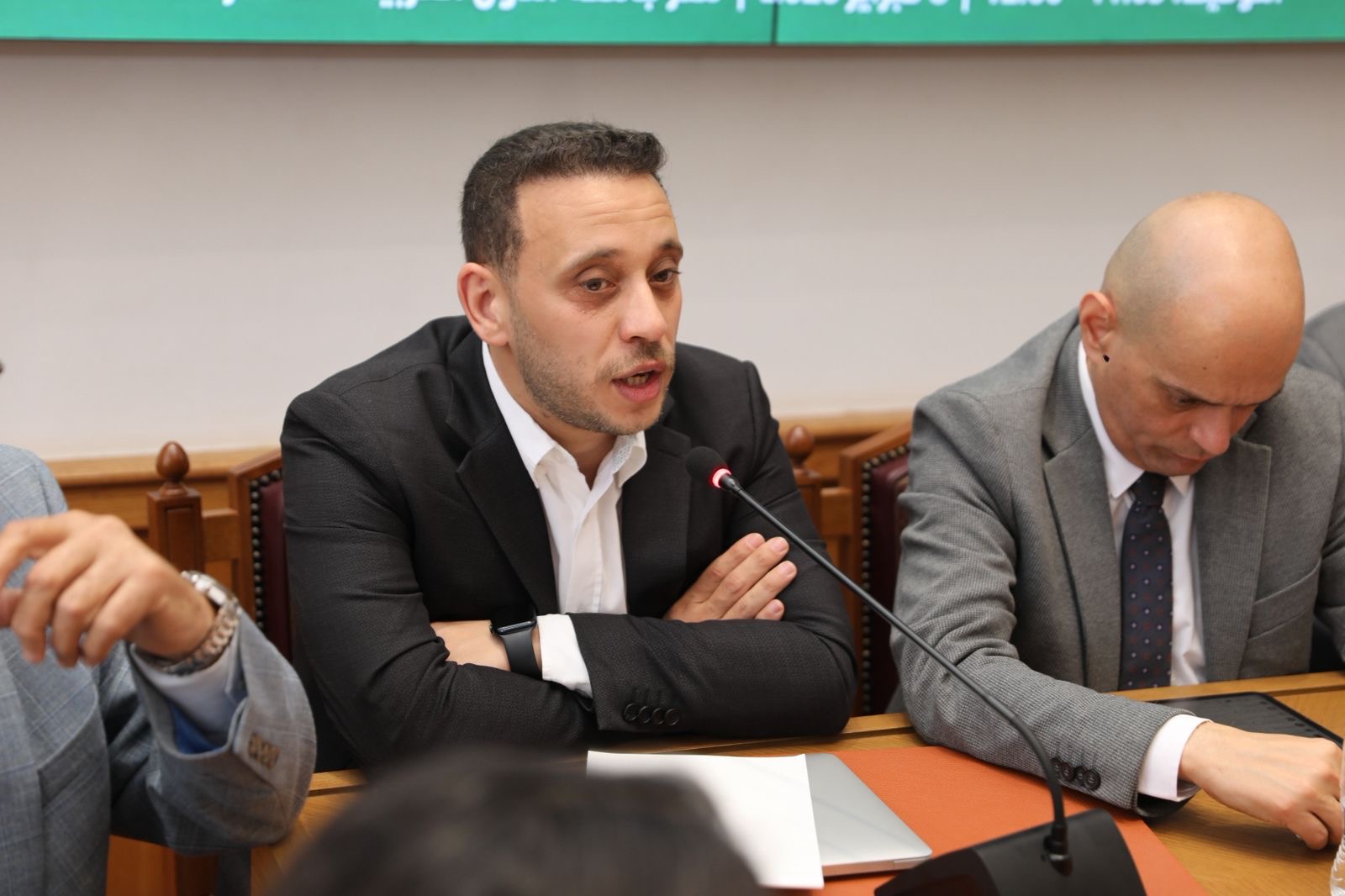
YLE Program Director Dunia El Khatib stressed that local impact is the bedrock of global sustainability, advocating for the continued active participation of youth in future COP summits. The event concluded with a call for multi-lateral partnerships to translate international commitments into actionable regional policies.

Be Social




Comments
Leave a Comment