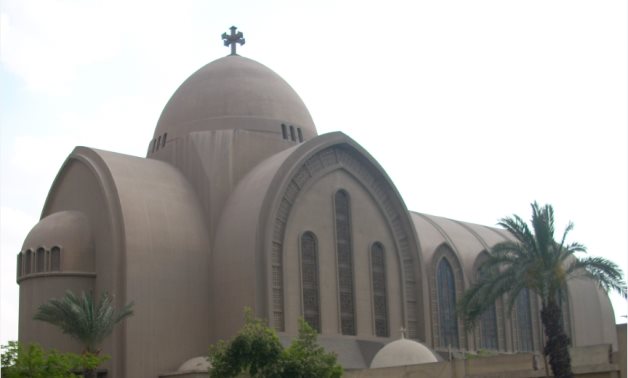
Coptic Orthodox Church - file




CAIRO - 4 February 2026: In a decisive move to uphold the rule of law and solidify the principles of equal citizenship, the Egyptian Cabinet has announced the legalization of 102 churches and 58 affiliated buildings. This latest decision, chaired by Prime Minister Mostafa Madbouly, brings the total number of regularized structures in this round to 160.
This ongoing institutional effort is led by the Committee for Legalizing Church Status, which has become one of the most vital frameworks for organizing the status of places of worship in Egypt. The committee utilizes a structured legal approach that balances structural safety, state rights, and the specific needs of various religious denominations.
The recent decree published in the Official Gazette reflects a continuous and methodical process that has been in place since 2018. This strategy is part of the state’s comprehensive plan to address the status of churches built prior to the enactment of Law No. 80 of 2016, which governs the construction and renovation of churches. The Committee for Legalizing Church Status functions as both a technical and regulatory body, tasked with studying applications, conducting site inspections, and determining the legal path for each building based on its unique engineering and legal standing.
This involves high-level coordination between local municipalities, Civil Protection authorities, and various regulatory bodies before final recommendations are presented to the Cabinet.
The regularization process is categorized into several specific paths based on the structural integrity of each building. For many structures, the Cabinet has mandated the fulfillment of Civil Protection requirements within a period not exceeding six months. these requirements include the installation of fire suppression systems, emergency exits, and general safety measures to protect worshippers.
For buildings found to be structurally unsound, the government has authorized demolition followed by reconstruction on the same site, maintaining the same area and height specifications. This procedure underscores the state's commitment to preserving the legal presence of the church while ensuring the highest standards of public safety.
In other cases, the Cabinet has modified previous decisions to limit actions to demolition only without reconstruction, which leads to the removal of those specific names from the legalization registries after a thorough review of their legal status. Conversely, many churches are required only to undergo necessary renovations and provide a certificate of structural safety to the committee.
A critical condition for all legalizations is the commitment of the respective denominations to fulfill any financial obligations or state rights, provided there is no existing dispute over land ownership. This ensures that the legalization process remains balanced and respects the laws governing state-owned property.
Andrea Zaki, Head of the Evangelical Community in Egypt, praised the significant progress made in this file during an interview. He noted that the Evangelical Community has submitted requests to legalize 1,070 churches, with 613 approved so far, representing over 60 percent of their total applications.
Zaki characterized this as a major positive development compared to previous decades and expressed his expectation that the entire file for his community will be completed by 2030. Regarding the new Evangelical Church in the New Administrative Capital, he confirmed that licensing is in the final stages and anticipated that the cornerstone would be laid in 2026, with construction likely taking about three years to complete.
Ultimately, these official decrees serve as a testament to a new era in Egypt defined by institutional organization rather than temporary exceptions. By moving away from ad hoc solutions and toward a regulated legal framework, the Egyptian state is successfully resolving long-standing issues surrounding houses of worship. This systematic approach not only ensures the safety of citizens but also prevents future legal crises, proving that the Committee for Legalizing Church Status is a model for managing sensitive national files with professional and administrative precision.

Be Social




Comments
Leave a Comment