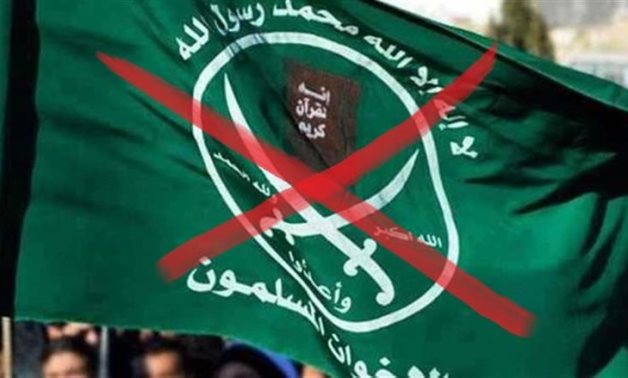




CAIRO – 13 January 2026: In a move poised to trigger a global diplomatic domino effect, the United States officially designated three of the most prominent branches of the Muslim Brotherhood—in Egypt, Jordan, and Lebanon—as terrorist organizations on Tuesday.
The decision by the U.S. administration to designate these three wings follows months of high-level deliberation led by Secretary of State Marco Rubio and Treasury Secretary Scott Bessent. The designation effectively freezes all assets held by these branches within U.S. jurisdiction and prohibits American citizens or entities from engaging in any financial transactions with them. Administration officials argued that the move is essential to disrupting the financial networks that support what they describe as "transnational instability."
“These designations reflect the opening actions of an ongoing, sustained effort to thwart Muslim Brotherhood chapters’ violence and destabilization wherever it occurs,” Secretary of State Marco Rubio said in a statement. “The United States will use all available tools to deprive these Muslim Brotherhood chapters of the resources to engage in or support terrorism."
The federal move follows aggressive state-level action; Texas Governor Greg Abbott was the first in the U.S. to designate the group—along with the Council on American-Islamic Relations (CAIR)—as a terrorist organization in November 2025. This culminated a long-standing legislative push that began in 2015/2016 and was codified in the bipartisan “Muslim Brotherhood Terrorist Designation Act of 2025.”
The European Front
While the U.S. focuses on the Muslim Brotherhood as a “foreign terrorist group,” European nations are increasingly scrutinizing its internal societal influence.
Although the U.K. was among the first Western countries to release a comprehensive report on the group’s long-term plans for British society in 2015, it has historically faced criticism for a lack of tangible enforcement.
Across the English Channel, a May French report categorized the group as a “threat to national cohesion.” President Emmanuel Macron labeled the findings “serious,” directing the government to draft proposals to counter the group's "bottom-up" strategy of altering secular values and local politics.
Similarly, the 2015 British report noted that while the Brotherhood’s public discourse is often moderate, its private ideology remains radical, functioning as a "secretive" organization that threatens democratic values.
In a Telegraph analysis, author David Abraham argues that the group's fiercest opponents are often fellow Muslims who find themselves sidelined by "Islamist gatekeepers." By dominating public platforms, these affiliates often present themselves as the sole representatives of the Muslim community. “The Brotherhood has created a political ecosystem where Muslim identity is defined not by faith, but by fealty to a cause,” Abraham noted, suggesting the group effectively converts religion into a political ideology.
A Legacy of Ousting and Outlawing
The current international crackdown is deeply rooted in the 2013 Egyptian Revolution, which ousted the Muslim Brotherhood from power. At the time, millions of protesters argued the group had exploited democratic processes solely to dismantle democratic institutions from within.
The subsequent years of insurgency led to a sharp decline in the group's popularity across the Arab world, transforming a movement founded in the 1920s in Egypt into an increasingly isolated global entity.

Be Social



Comments
Leave a Comment