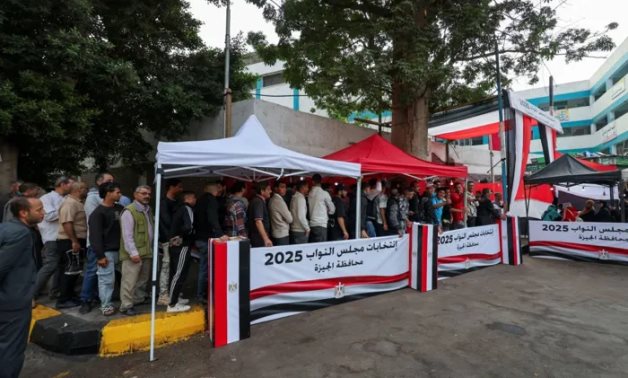




CAIRO – 10 January 2026: Egypt has officially concluded the longest House of Representatives’ elections in its modern history, following the announcement of final runoff results in constituencies whose outcomes had previously been annulled by court rulings.
The vote, marked by unprecedented legal and procedural challenges, ultimately completed the formation of the new House of Representatives.
“These elections were not only the longest in the history of parliamentary life, but also the most dynamic, attracting significant public attention and widespread follow-up,” said Judge Hazem Badawy, Head of the National Election Authority (NEA) on Saturday.
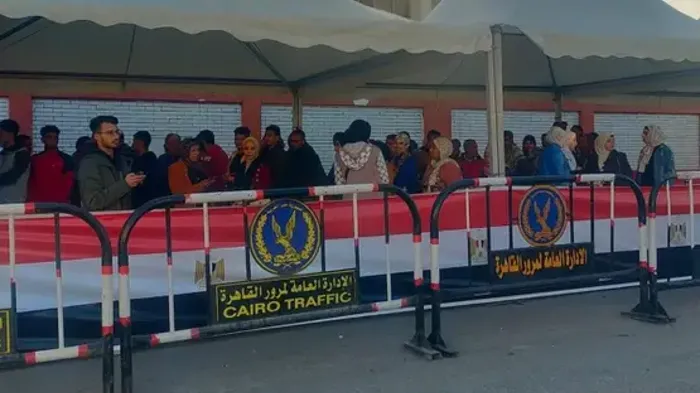
The NEA announced today the results of runoff elections in 27 constituencies whose initial outcomes were invalidated during the first phase of the parliamentary race.
The runoff produced 49 winners, bringing the total number of elected lawmakers to 568 and formally completing the composition of the lower house of parliament.
Parliamentary Composition and Political Balance
According to figures released on January 6 by the State Information Service (SIS), eight opposition parties secured a total of 53 seats, representing nearly 10% of the elected members of parliament.
Half of these opposition parties are affiliated with the Civil Democratic Movement, which collectively won 32 seats, about 60% of opposition representation, according to the SIS.
Opposition seats were distributed as follows:
- Egyptian Social Democratic Party: 11 seats
- Justice Party: 11 seats
- Reform and Development Party: 9 seats
- Al-Wafd Party: 9 seats
- Al-Nour Party: 6 seats
- Tagammu Party: 5 seats
- Conservative Party: 1 seat
- Al-Waey Party: 1 seat
Meanwhile, candidates affiliated with the National List for Egypt, which brings together several political parties including Mostaqbal Watan and Humat Al-Watan, lost 82 seats in individual races to independent candidates, said the SIS.
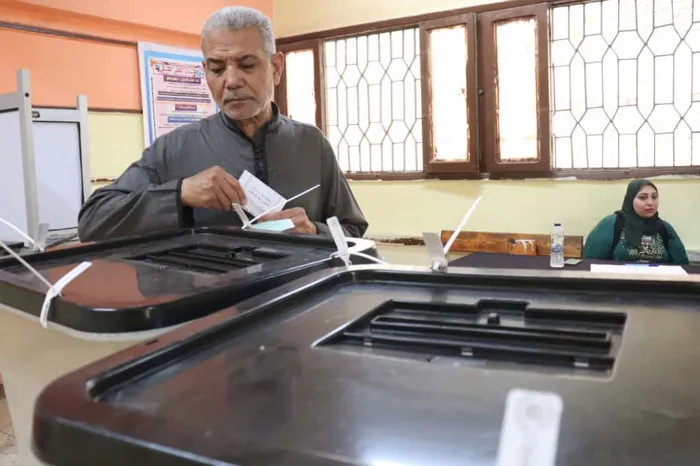
Independents secured a total of 105 seats, accounting for more than 18% of elected members.
Combined, opposition parties and independents hold 158 seats, representing approximately 28% of the new parliament.
A Diverse New Legislature
The newly formed House of Representatives includes 15 political parties, eight classified as opposition parties and seven aligned with pro-government blocs, alongside a significant contingent of independents.
Despite the controversies that extended the electoral timeline, the authorities say the reruns and judicial oversight were necessary to safeguard the integrity of the process.
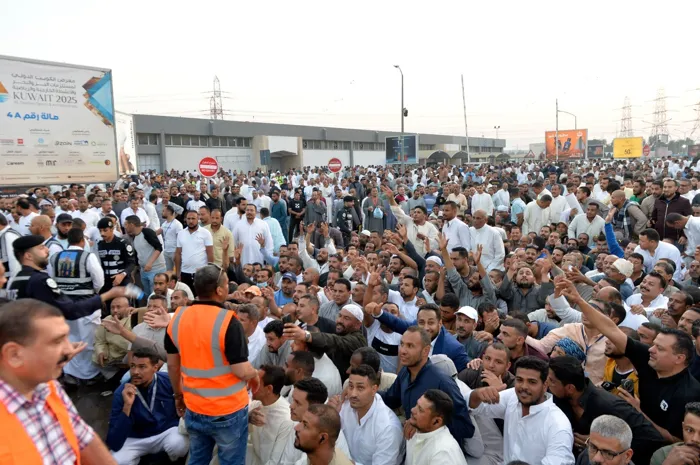
With the final results now confirmed, Egypt’s new parliament is set to begin its legislative term amid heightened expectations for accountability, representation, and political balance.
A Prolonged Electoral Process
The parliamentary elections began in November and stretched over nearly two months. The process was disrupted by violations during vote process, which cast doubt on the integrity of results in several districts.
These developments prompted direct intervention from President Abdel Fattah El-Sisi, who called for a comprehensive review of contested constituencies.
Subsequently, the NEA and the Supreme Administrative Court annulled results in a number of districts, ordering reruns to ensure the credibility of the process.
Rerun Elections in Annulled Constituencies
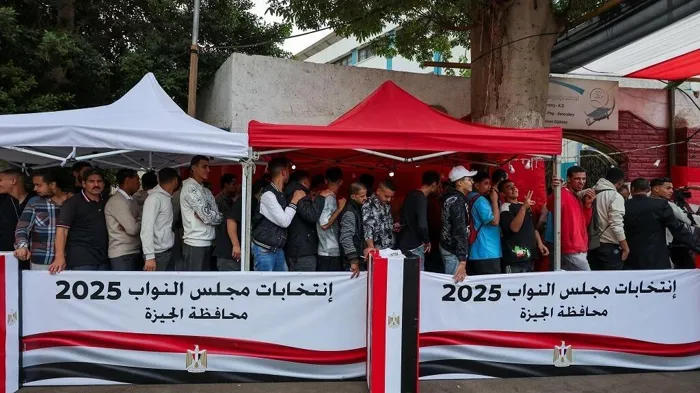
Runoff voting was held in 27 constituencies, whose results were annulled by judicial rulings from the first phase of the elections, on December 31 and January 1 for Egyptians abroad, and domestically on January 3 and 4.
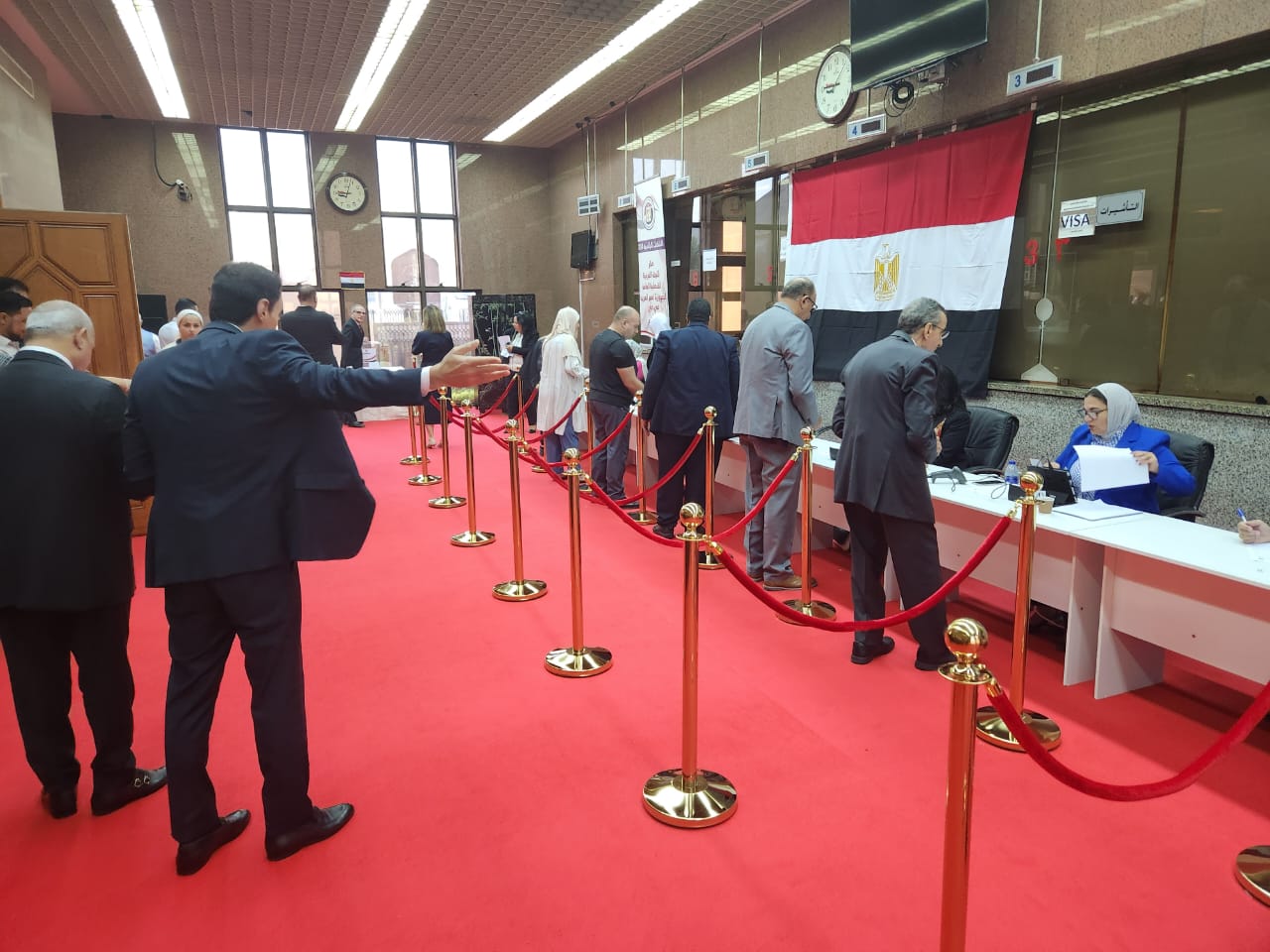
The reruns were conducted in 10 governorates and involved 98 candidates competing for 49 parliamentary seats. With the announcement of the results, the electoral process formally came to a close.
Voter Turnout and Participation
The NEA chief revealed participation figures during a press conference announcing the runoff results.
Egypt has 69,891,913 eligible voters, of whom 22,657,211 cast ballots, representing a turnout rate of 32.41%, Badawy said.
Of the total votes cast, 21,150,656 were deemed valid, while 1,506,555 ballots were invalidated.
Reasons Behind the Annulments
Earlier in the process, the NEA annulled results in many constituencies across 10 governorates during the first phase of the elections, citing what it described as “serious violations that constitute fundamental defects undermining the integrity and legitimacy of the voting and counting processes.”
The affected districts spanned Giza, Alexandria, and Beheira in northern Egypt, as well as New Valley, Assiut, Sohag, Luxor, Aswan, Minya and Fayoum in Upper Egypt.
Presidential Directives and Oversight
The annulments followed explicit directives by President Abdel Fattah El-Sisi, who had requested the authority to “thoroughly review … the events that occurred in some constituencies where individual candidates competed” and the appeals submitted regarding them.
He asked the authority to “enhance the transparency of procedures by making sure that each candidate’s representative had received a copy of the vote tally from the sub-committee.”
The president urged the authority “not to hesitate to make the correct decision when it is not possible to determine the true will of the voters, whether by fully annulling this stage of the elections or partially canceling it in one or more constituencies, provided that the elections for those areas are held at a later date.”
He further requested that the authority publicize the measures taken in response to electoral campaign violations, “to ensure effective monitoring of the campaigns, prevent them from exceeding legal boundaries, and avoid recurrence in the remaining election rounds.”
Post-Election Phase: Voter Education
The NEA chief said the authority’s work would continue beyond the conclusion of the parliamentary elections, with a renewed focus on voter awareness and political education.
Badawy said the NEA will immediately begin preparing new nationwide awareness programs across villages, cities, schools, and universities, so that political participation becomes a deeply rooted public culture.
He added that the authority will also organize specialized training programs for party officials on how to prepare electoral lists.

Be Social




Comments
Leave a Comment