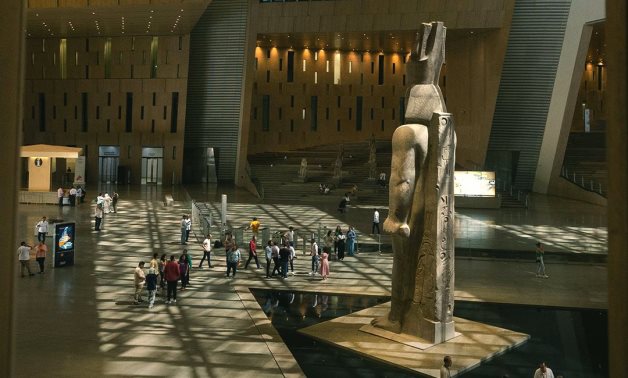
FILE - Visitors are seen in front of the colossal statue of King Ramses II at the Grand Egyptian Museum. GEM




CAIRO – 14 December 2025: Egypt’s Grand Egyptian Museum (GEM), which opened to visitors early last month, has been attracting an average of about 15,000 visitors a day, in line with its maximum capacity, the Cabinet said.
The Cabinet issued a statement in response to recent claims about GEM, including issues related to its design, visitor capacity and ticketing system.
On reports of rainwater seeping into the museum’s main hall, the statement said the building was designed with engineered roof openings to allow natural lighting and ventilation.
This makes limited rainwater ingress during seasonal rainfall both anticipated and consistent with the museum’s architectural concept, the Cabinet added.
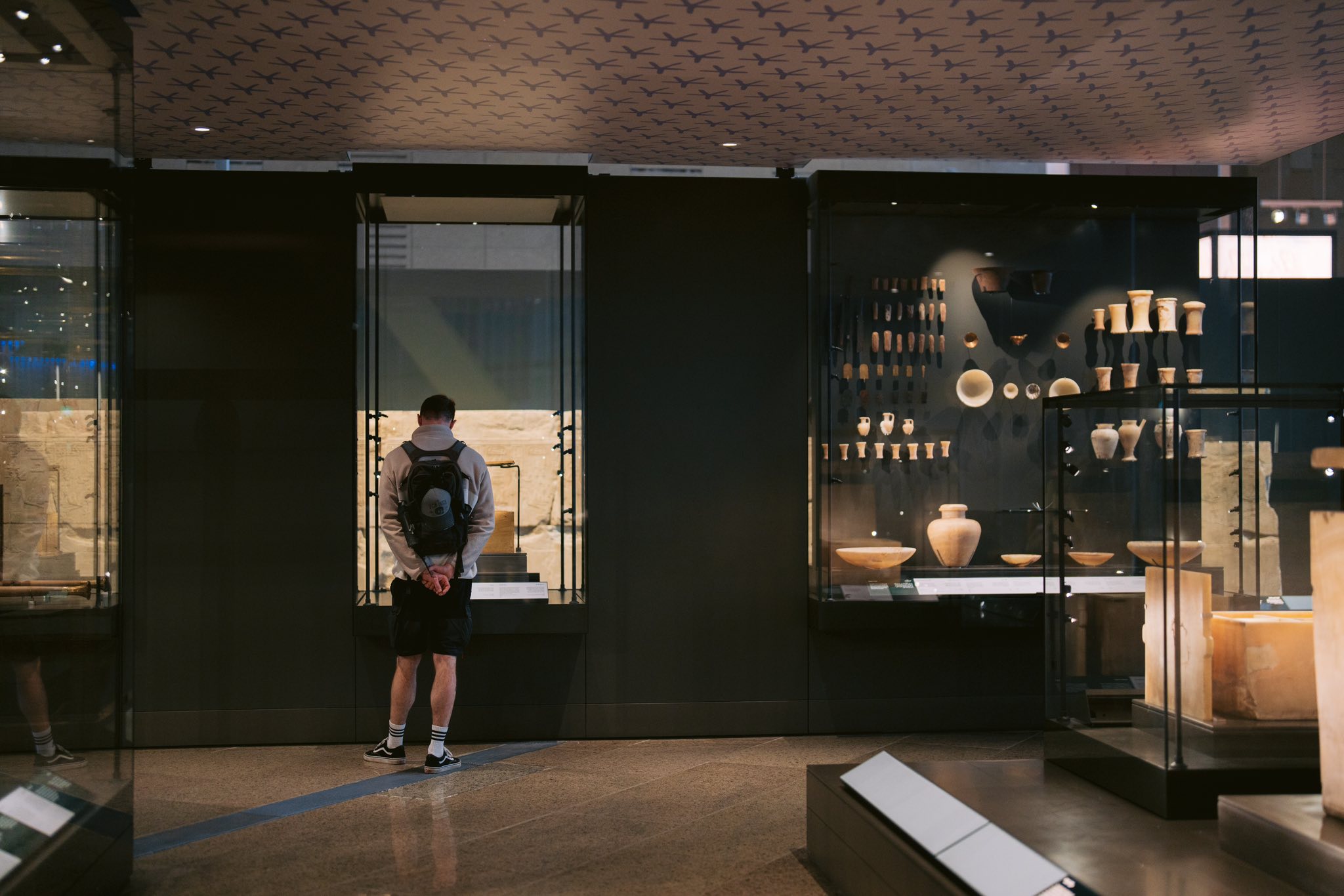
GEM Operates Normally
The Cabinet said GEM has been operating normally since its public opening on November 4, with no changes to official visiting hours and with visitor movement being orderly and well managed.
The Ministry of Tourism and Antiquities said the steady turnout from both Egyptian and foreign visitors reflects strong interest in this landmark cultural project.
The ministry noted that current visitor numbers are in line with the museum’s maximum capacity and expected crowd density across different time slots.
Online Ticketing System
The statement said that, starting December 1, entry to the museum has been regulated through an exclusive online ticketing system, with on-site ticket sales discontinued.
The move aims to better manage visitor flow, ensure smooth entry and exit, improve visitor comfort and safety, and preserve the museum’s antiquities.
Tickets are available through the museum’s official website, with bookings allocated to specific time slots.
The Cabinet said the system is being closely monitored by museum management and has been operating efficiently, with no technical disruptions reported.
Ticket Pricing
Addressing ticket pricing, the statement said the practice of charging different entry fees for Egyptians and foreign visitors has long been applied across Egypt’s museums and archaeological sites, with the aim of keeping access affordable for local visitors.
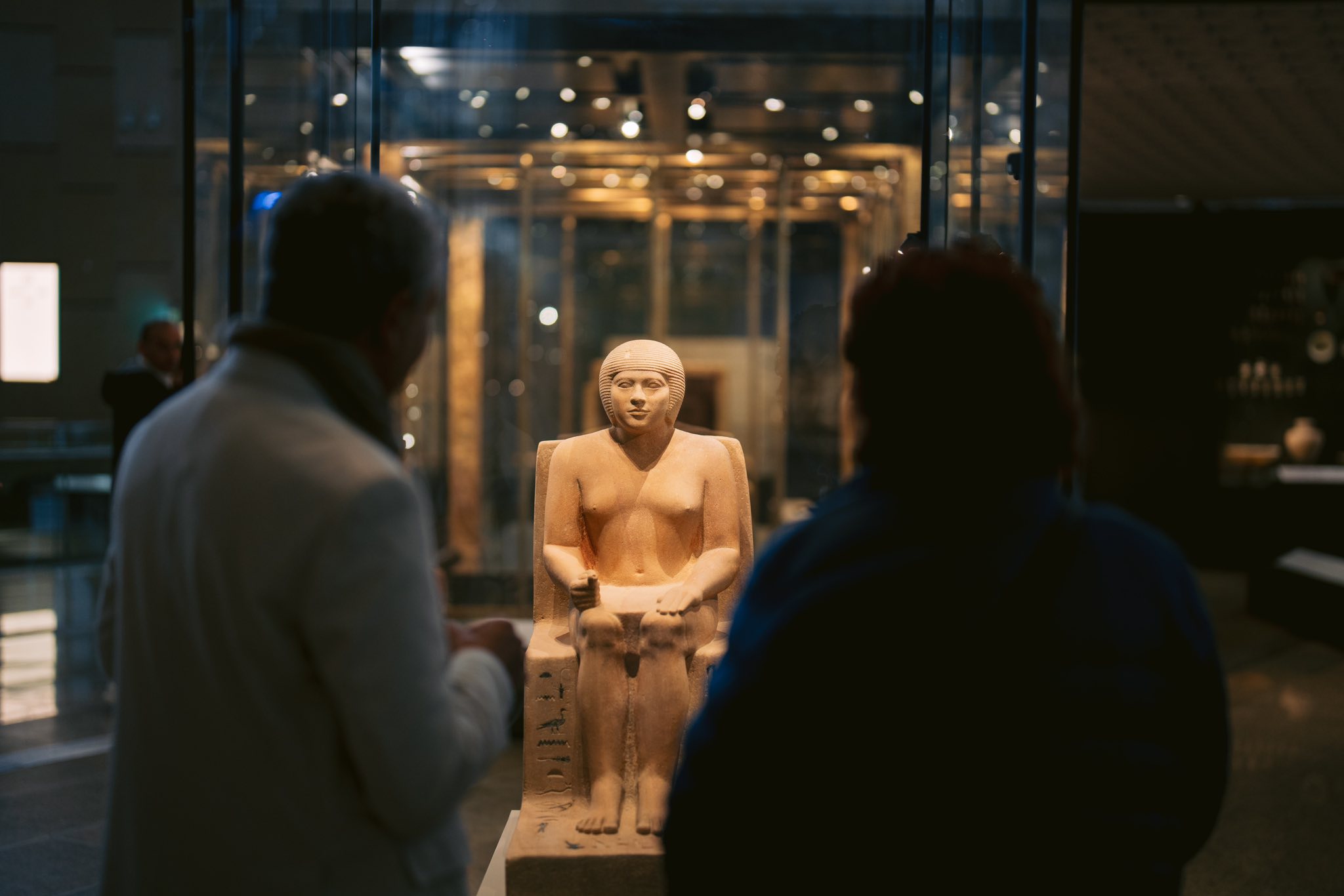
The statement highlighted the state’s commitment to ensuring that ticket prices for Egyptians “are aligned with citizens’ income levels, allowing the widest possible segment of the population to visit museums and archaeological sites and engage with their ancient history and civilization.”
Flooring Observations
The Cabinet also responded to observations regarding some external flooring areas, saying these resulted from temporary installations linked to the museum’s opening events.
These observations are being repaired in phases under an agreed timetable with the contractor, without affecting visitors, the Cabinet added.
What is GEM?
The Grand Egyptian Museum, just outside of Cairo on the Giza Plateau and next door to the Great Giza Pyramids, opened its doors in a historic, world-class event that witnessed unprecedented international attendance by world leaders, senior officials, and royals in November.
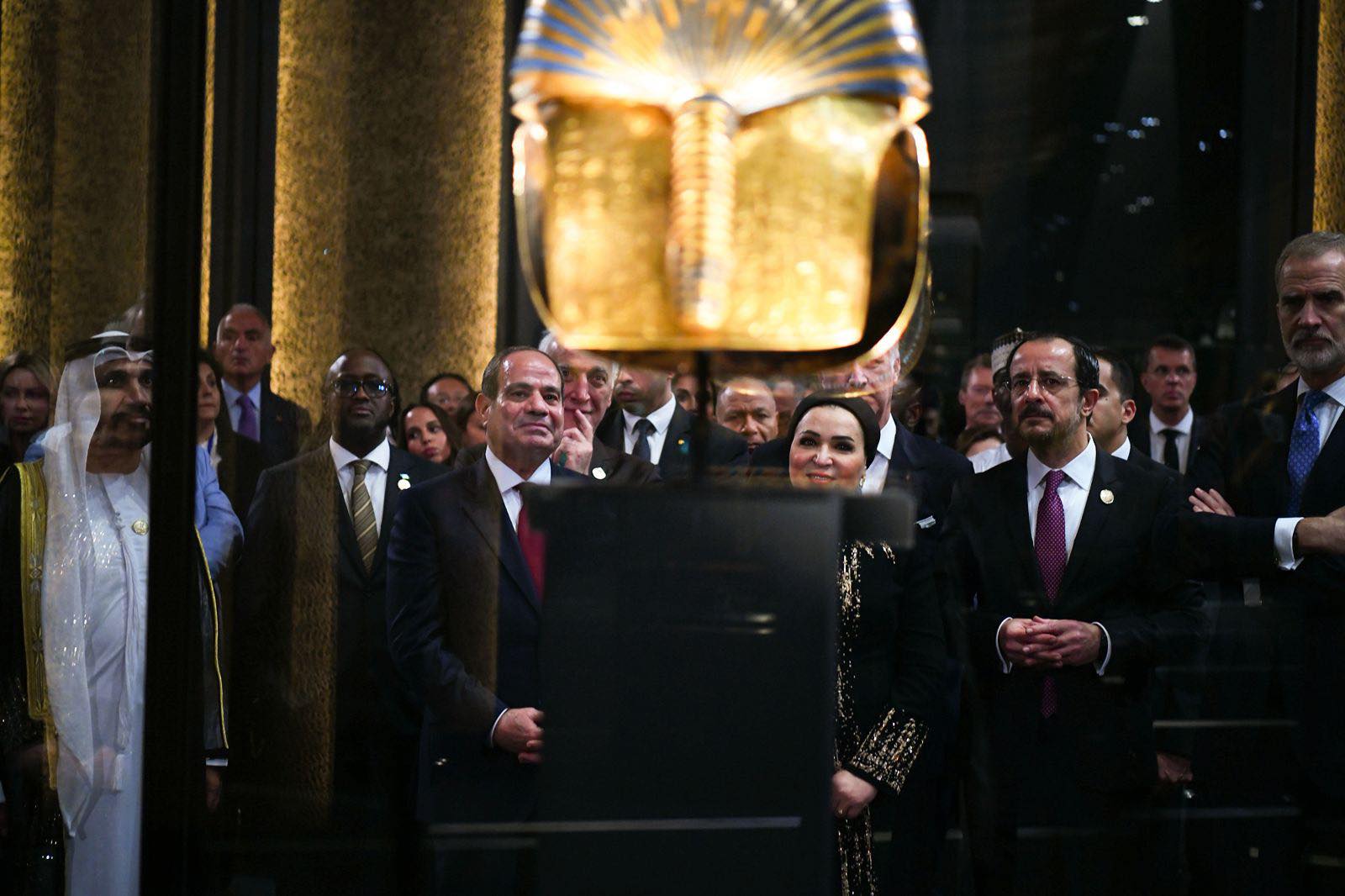
GEM showcases the history of ancient Egypt from 700,000 BC to 394 AD, uniting thousands of years of heritage under one roof.
The museum houses over 57,000 artifacts, including the complete treasures of King Tutankhamun, displayed together for the first time since the discovery of his tomb in 1922.
Spanning 490,000 square meters, GEM features a 7,000 m² main entrance dominated by a colossal statue of King Ramses II, and a 6,000 m² Grand Staircase rising the equivalent of six stories, adorned with masterpieces from across Egyptian history.
Visitors explore 12 main exhibition halls, temporary galleries, and a Children’s Museum, all designed with cutting-edge museological techniques to create a fully immersive journey through Egypt’s past.
Just steps from the world’s largest archaeological museum, a new 1.27-km tourist promenade now links GEM directly to the Giza Pyramids.
GEM is expected to attract around five million visitors annually, cementing its place as a global beacon of culture, heritage, and sustainable museum design.

Be Social




Comments
Leave a Comment