





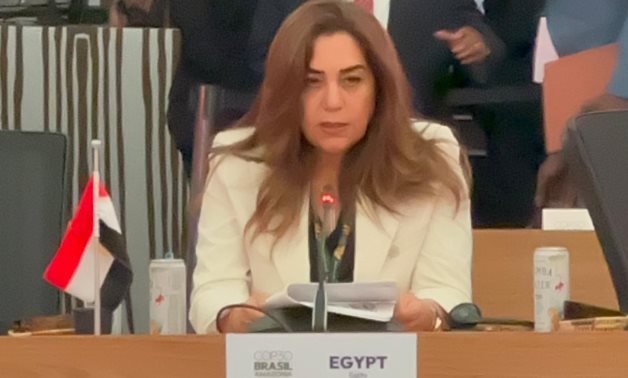
She highlighted Egypt’s leading projects in solar, wind and green hydrogen along with investments in energy efficiency, infrastructure upgrades and green ammonia as key pillars of a low-emission energy future.
This came during Awad's participation in the COP30 Leaders’ Roundtable on Energy Transition in Brazil, chaired by Brazilian President Lula da Silva and attended by heads of state and ministers from a number countries.
She stressed that the global energy transition is essential for sustainable development, energy security and fulfilling commitments under the Paris Agreement.
She noted that Egypt faces challenges, including the high cost of transition, estimated at $250 billion by 2050, and limited access to concessional climate finance, which affects developing countries disproportionately.
She called for equitable and just energy transition, emphasizing technology transfer, capacity-building and fair international partnerships to ensure no country is left behind.
The session focused on expanding sustainable fuel use, strengthening grids and storage and addressing energy poverty, highlighting the critical role of the energy sector in global climate action.
Awad reaffirmed Egypt’s commitment to ensuring that the energy transition promotes fairness, opportunity and sustainable development for all nations.


Comments
Leave a Comment