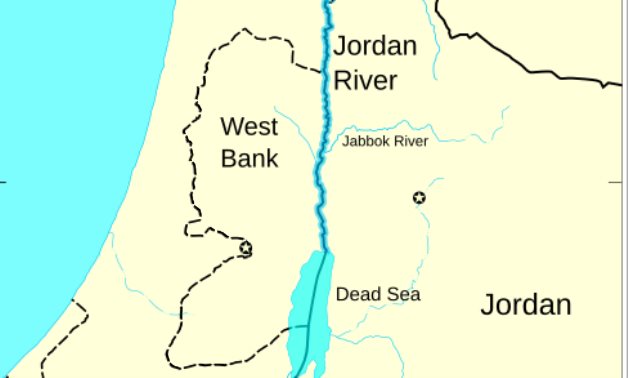
Jordan River- CC via Wikimedia




CAIRO – 23 August 2025: The Hamas Movement has condemned recent remarks by Israeli Communications Minister Shlomo Karhi, in which he claimed that both banks of the Jordan River are part of the so-called “Greater Israel.” Izzat al-Rishq, a member of Hamas's political bureau, issued a statement on Saturday denouncing the comments.
On August 22, Karhi declared: “There are two banks of the Jordan River. This one is ours, and that one is ours. The West Bank is ours first,” echoing expansionist rhetoric associated with the illusion of “Greater Israel.”
“These false and aggressive statements align with Netanyahu’s delusions and dreams of a so-called ‘Greater Israel,’” Rishq said. He stressed that such positions reflect the Israeli enemy's expansionist ambitions and confirm that its threat extends beyond Palestine, posing a danger to the entire region.
Rishq called for a unified and serious Arab and Islamic response to confront what he described as Zionist arrogance and haughtiness. He urged strong support for the Palestinian people, bolstering their steadfastness and resistance, warning: “A day may come when it is said: We were eaten the day Gaza was eaten.”
Meanwhile, Jordan's Ministry of Foreign Affairs and Expatriates strongly condemned Karhi’s statements, particularly his praise for settlement construction in the E1 area of the occupied West Bank. The Ministry described the remarks as extremist heresies and delusions that claim both banks of the Jordan River as part of “Greater Israel.”
Ambassador Sufyan Qudah, the Ministry’s official spokesperson, reiterated Jordan’s firm rejection of these provocative and inflammatory remarks. He emphasized that such statements will not weaken Jordan’s unwavering support for the legitimate rights of the Palestinian people or its condemnation of the ongoing war crimes committed against them.
He further noted that the Israeli government's increasingly isolated international stance, coupled with its deep internal crisis, is driving extremist officials to promote exclusionary, racist rhetoric that fuels ongoing conflict in the region.

Be Social




Comments
Leave a Comment