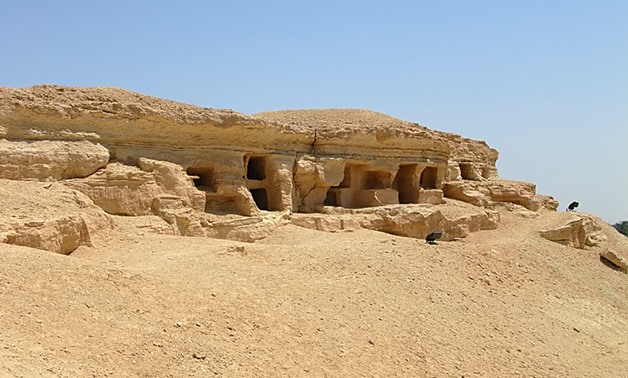
Siwa Mawta tomb sept 3, 2007 – Wikimedia/ Roland Unger




CAIRO – 11 August 2025: In recent years, the Siwa Oasis has emerged as one of the most significant medical tourism destinations in Egypt and the Middle East, particularly during the summer. Despite the high temperatures, its unique dry continental climate and diverse natural environment attract a large number of visitors seeking healing through traditional sand burial therapy for various ailments.
The oasis, also a popular winter destination due to its mild weather, is known for its stunning nature, fresh and salty lakes, sulfur springs, and diverse agriculture. This, combined with its unique historical sites and preserved heritage, makes Siwa a natural and cultural reserve.
August marks the peak of the medical tourism season in Siwa, as it's considered the most suitable time for therapeutic sand baths at Mount Dakrour and swimming in the oasis's numerous sulfur springs. This period brings a major boom to various sectors, with patients from Egypt, the Arab world, and abroad arriving for treatment, in addition to other forms of tourism.
The medical tourism season officially begins in mid-June and lasts until mid-September each year, creating a vibrant summer tourist and commercial movement. This makes the oasis a year-round destination, boasting a hot, dry summer climate and warm winters, alongside its rich archaeological sites.
Abdel Aziz Zakaria, the owner of a local physical therapy center, confirmed that the sand burial sessions, or "sand baths," are highly effective in treating rheumatic diseases, joint pain, muscle aches, and stimulating blood circulation.
He explained that at the beginning of the sand bath, a person feels the heat of the sand, but it quickly becomes a normal and comfortable experience. Patients report significant improvement after completing the daily sessions, which range from two to three sessions depending on the individual's condition.
The benefits of sand burial are numerous and include:
Reducing body fat and inflammation.
Boosting overall vitality and dilating blood vessels.
Eliminating toxins and residual medication from the body.
Treating rheumatoid arthritis, lupus, and other conditions.
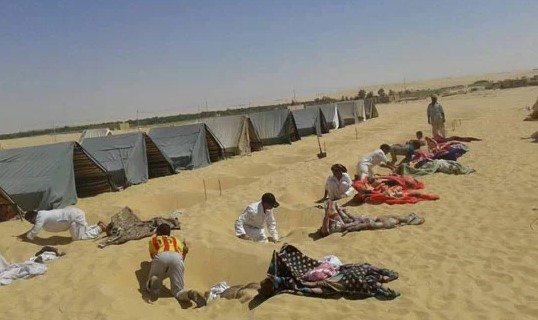
The sand baths also help in dissolving ovarian cysts, cleansing the uterus, and alleviating rheumatic pain, stiffness in the vertebrae, and lower back pain.
In addition to the sand, the mineral-rich sulfur springs of Siwa are used to treat skin conditions like acne, urticaria, psoriasis, and eczema, often combined with desert herbs. These springs also offer relief for many other ailments, including cartilage pain, hemorrhoids, joint and back issues, elephantiasis, and bedwetting.
Zakaria noted that Siwa's residents are deeply invested in medical tourism and are looking to the government for support, particularly by providing comfortable transportation and reopening the airport. He emphasized that Siwa's multiple attractions make it a unique and valuable destination.
The owner of "El Mardem," a sand therapy center, highlighted that a large number of Egyptians, Arabs, and foreigners come to the oasis for sand and sulfur water therapies during the summer months. The influx increases in August, as the higher temperatures enhance the effectiveness of the treatment.
Siwa’s therapy centers offer comprehensive programs that include accommodation, services, and meals for the duration of the treatment, which typically lasts between three and seven days. The prices are varied and affordable, depending on the level of service and accommodation chosen by the individual.
To ensure patient comfort and privacy, there are designated areas for women's treatment, which are run and supervised exclusively by experienced local Siwan women. Photography is strictly prohibited in these areas.
It's a noteworthy tradition that the owners of these sand therapy centers in Siwa have inherited this practice from their ancestors, who learned it from the Pharaohs. Mount Dakrour is considered the best location for the therapy because of its dry sand and high elevation. The combination of sand baths, effervescent sulfur water, hot stones, natural mud, the magical tranquility, and pure, humid-free air makes Siwa one of the best places in the world for therapeutic tourism and a sought-after destination for those seeking peace and rejuvenation.

Be Social




Comments
Leave a Comment