CAIRO - 6 May 2025: The Egyptian Ministry of Health and Population affirmed its support for efforts to combat epidemic and infectious diseases, noting that it possesses the most robust epidemic surveillance programs covering 55 diseases.
This is in addition to the accredited laboratory capabilities provided by the Central Public Health Laboratories, which guarantee high diagnostic capabilities, along with a referral and follow-up system for confirmed cases, to ensure the provision of necessary treatment.
The Ministry of Health and Population stated that it has achieved significant accomplishments in the eradication of epidemic diseases such as polio, measles, rubella, malaria, and other epidemics.
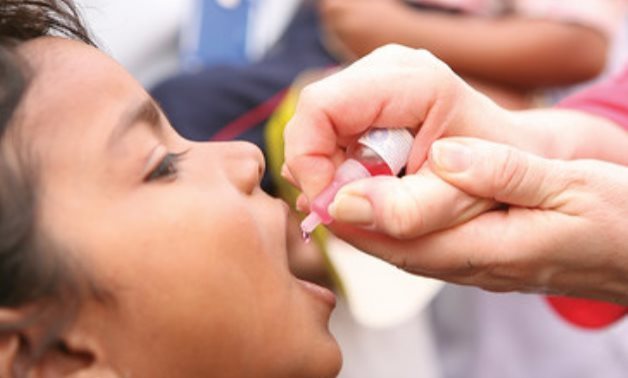
It continued: "The successes achieved in the Expanded Immunization Program are a testament to the Ministry's efforts in this area, by providing free vaccination services to all children residing in the Arab Republic of Egypt, regardless of their nationality or legal residence status. This is in addition to numerous activities provided, whether through external campaigns in remote and hard-to-reach areas or through related community awareness campaigns."
According to a report by the Ministry of Health and Population, Egypt eradicated polio and was declared polio-free in 2006 after years of intensive vaccination campaigns. Plague has also been eradicated, with no recorded cases in Egypt for decades. It was effectively eradicated through surveillance and control systems. Smallpox was also eradicated, and Egypt was among the first countries to participate in vaccination campaigns since the 1960s.
Tuberculosis has been brought under control through early detection programs and free, long-term treatment. Hepatitis C, measles, rubella, diphtheria, tetanus, pertussis, and malaria, all of which are included in the expanded childhood immunization program, have also been successfully controlled.
The report indicated that the Ministry's most prominent efforts in Egypt to combat epidemic and infectious diseases include:
1. Vaccinations and immunization: National vaccination campaigns are being implemented against diseases such as polio, measles, diphtheria, tetanus, and hepatitis B.
2. The Expanded Program on Immunization for Children and Newborns, which is one of the most successful health programs in Egypt.
2. Epidemiological surveillance by establishing an effective epidemiological surveillance system to monitor and report infectious diseases in a timely manner and using technology to track diseases, such as creating a central database for infectious diseases.
3. Health awareness through awareness campaigns via the media and social media to educate citizens about ways to prevent infectious diseases.
4. Equipping hospitals and health centers with isolation wards to treat cases of infectious diseases and training medical teams to deal with epidemic cases quickly and safely.
5. Responding to health emergencies by forming rapid response teams to intervene in cases of sudden outbreaks of any infectious disease.
6. Combating vector-borne diseases by controlling mosquitoes and flies as vectors for transmitting diseases such as dengue fever and malaria.








Comments
Leave a Comment